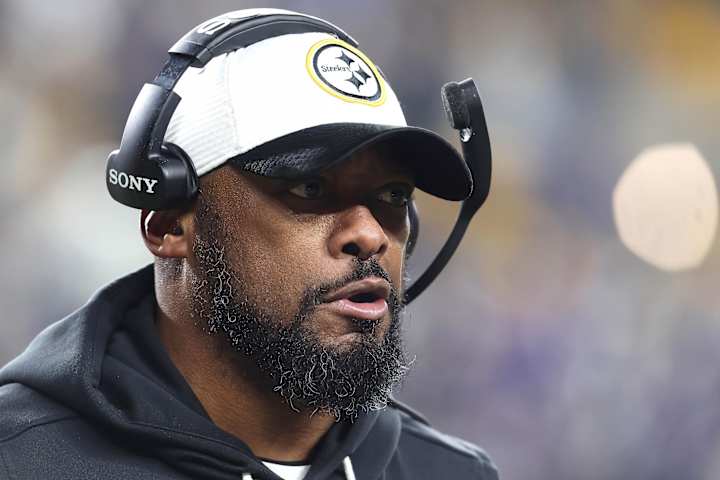
— The Pittsburgh Steelers replaced their coach this offseason, marking the first time in 19 years that the team has done so. Mike Tomlin resigned from the team, prompting the search for a new coach, which resulted in the hiring of Mike McCarthy to succeed him.
The Steelers are upbeat about the future, and there are many reasons for optimism. Part of the thrill stems from ending their playoff loss record and being a legitimate title challenger for the first time in a decade.
The team’s failure to win a playoff game in nine years is due to both the players and coaching staff. While Tomlin is widely recognized as a Hall of Fame head coach, not everyone agreed with his methods.
One former player, linebacker Steven Sylvester, opened the curtains to explain how Tomlin caused issues throughout his stint as head coach. Speaking with the KSL Sports YouTube channel, Sylvester clarified what Tomlin was attempting to do and why it failed.
When I was with the Steelers, we went 12-4 in my first two seasons, Sylvester said. Really good, the top two, right next to Tom Brady’s dumb self, in the AFC. Then, during my third year, we took a plunge. We dismissed certain veterans. It wasn’t as nice as previous years.
What I noticed was that Mike Tomlin attempted to perform everyone’s duties. He would attempt to perform the responsibilities of defensive coordinator and linebackers coach, leaving no time for other people to do their responsibilities. That created dysfunction.
Tomlin never had a losing season in his 19 years as the Steelers’ head coach, making it impossible to overlook his accomplishment and the remarkable nature of his term. However, at the conclusion, fans and some former players were furious, blaming the head coach for their inability to win a playoff game.
Tomlin was well known for commanding the defense during his tenure with the Steelers. Regardless of who the defensive coordinator was, it was Tomlin’s defense, and he made virtually all significant decisions about it.
Tomlin’s lack of a coaching tree has been a point of contention for years.
Perhaps this generated disputes among the coaching staff, which filtered down to the players, ultimately resulting in on-field challenges. Perhaps that contributed to the Steelers’ nine-year playoff drought.