By KennySportNews.co.uk News Desk
NEW YORK FIFA’s decision to expand the 2026 FIFA World Cup from 32 to 48 teams continues to spark debate across the football world, but Arsène Wenger believes the historic change was not only the right decision—it was the only fair one.
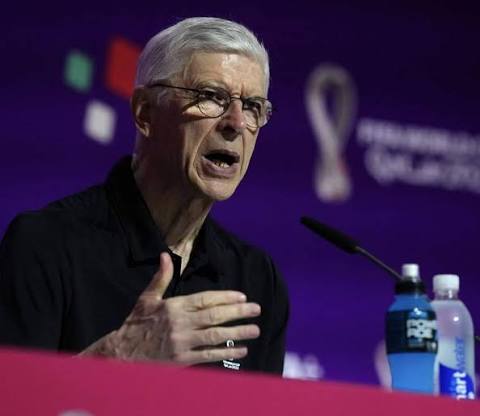
Speaking during an interview with beIN Sports, the former Arsenal manager and FIFA’s Chief of Global Football Development defended the tournament’s expansion, saying:
“48 teams at the World Cup? I believe it was an ethical necessity.”
Wenger’s comments have quickly generated widespread discussion among football fans, coaches and analysts, with supporters and critics once again debating whether the expanded tournament has improved the world’s biggest sporting event.
According to Wenger, expanding the World Cup gives more nations the opportunity to compete on football’s grandest stage, allowing countries that previously struggled to qualify a realistic chance to showcase their talent before a global audience. He argued that football has become increasingly competitive across every continent and that the tournament should reflect the game’s worldwide growth.
The 2026 FIFA World Cup, hosted by the United States, Canada and Mexico, marked the first edition featuring 48 national teams, increasing the number of participating countries and creating additional opportunities for emerging football nations.
While some critics feared that the expanded format would reduce the overall quality of the competition, the tournament largely proved those concerns wrong. Several underdog nations produced memorable performances, advanced to the knockout rounds and challenged traditional football powerhouses, creating some of the biggest surprises of the World Cup.
Football analysts say Wenger’s argument has gained credibility following the tournament’s success. The expanded competition delivered dramatic matches, record-breaking attendance and increased global interest, with millions of new fans following countries making their World Cup debut or enjoying their deepest-ever tournament runs.
Supporters of the new format also point to the tournament’s broader impact on football development. More World Cup places provide greater incentives for national associations to invest in youth academies, coaching education and football infrastructure, potentially strengthening the sport in regions that have historically received less international attention.
Despite the positive response from many fans, debate surrounding the 48-team format is expected to continue. Some football observers believe the larger tournament places greater physical demands on players and creates scheduling challenges, while others argue that expanding the World Cup has made international football more inclusive and representative of the sport’s global popularity.
For Wenger, however, the issue goes beyond football. His description of the expansion as an “ethical necessity” reflects a belief that every region deserves a fair opportunity to compete on the world’s biggest stage, rather than limiting participation to a small group of traditional football powers.
As FIFA looks toward future World Cups, the success of the expanded tournament is likely to strengthen support for the 48-team format. Whether praised or criticized, the new structure has already reshaped international football and opened the door for more nations to dream of competing for the sport’s most prestigious trophy.
Stay Connected with KennySportNews.co.uk
For the latest FIFA World Cup news, football analysis, breaking headlines, transfer updates and exclusive global sports coverage, visit KennySportNews.co.uk every day. From the biggest football stories in the USA, UK, Europe and around the world, KennySportNews.co.uk delivers fast, engaging and trusted coverage that keeps fans informed every step of the way.